
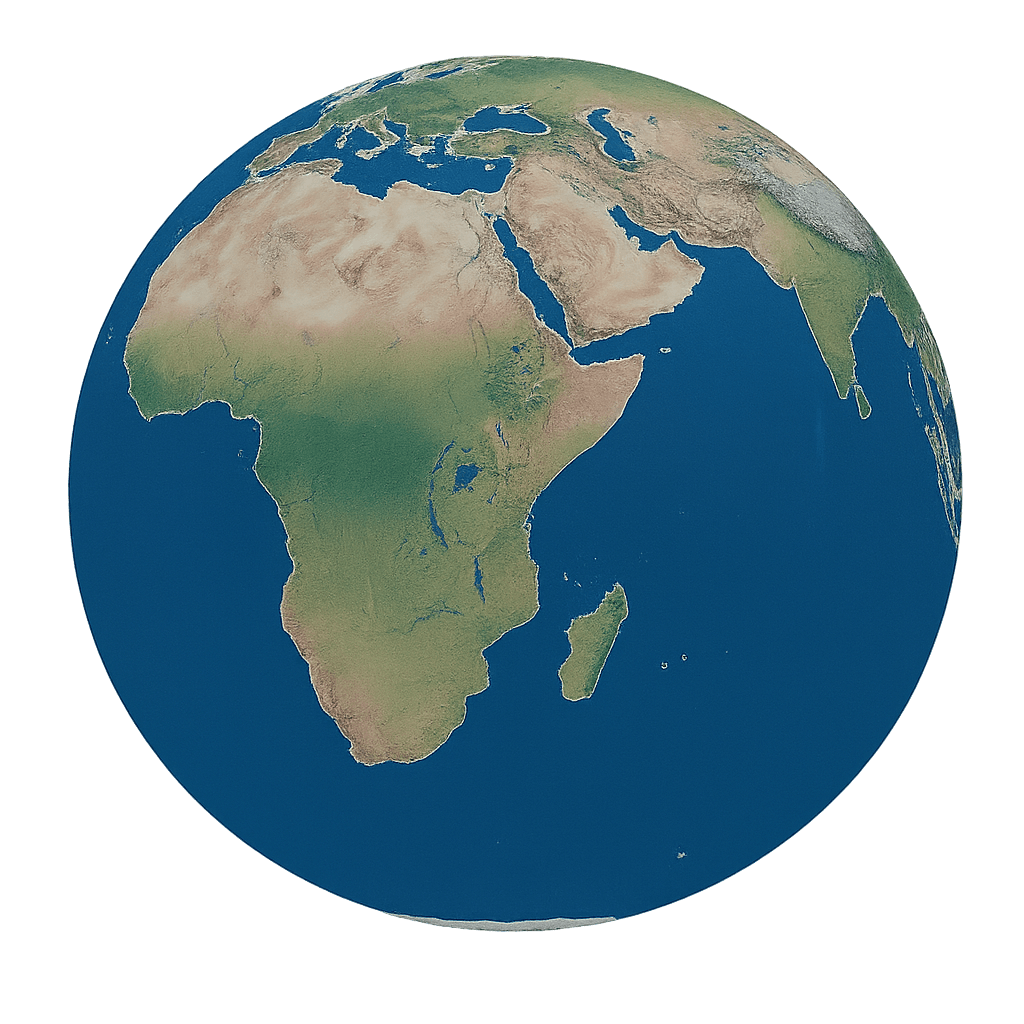
KFSH joins international dementia registry first in the Middle East
King Faisal Specialist Hospital & Research Centre has become the first healthcare institution in the Middle East to join the International Registry for Alzheimer’s Disease and Other Dementias, with the registry now active and its first patient enrolled. The move expands Saudi Arabia’s role in global dementia research and could improve access to future multicenter studies and clinical trials.
Why it matters: - King Faisal Specialist Hospital & Research Centre’s entry into InRAD gives the Middle East its first institutional foothold in an international dementia registry. - The move can help increase regional representation in global Alzheimer’s and dementia research. - The registry is designed to improve readiness for future clinical trials and multicenter studies.
What happened: - KFSH became the first healthcare institution in the Middle East to join the International Registry for Alzheimer’s Disease and Other Dementias, known as InRAD. - The registry is now active at KFSH. - KFSH enrolled its first patient. - The initiative is led by KFSH’s Cognition and Behavioral Neurology Section within the Neuroscience Centre of Excellence.
The details: - InRAD collects standardized real-world clinical data to support dementia research. - The registry is coordinated by the independent InRAD Foundation in the Netherlands. - InRAD is an international, not-for-profit registry. - The network brings together healthcare institutions to harmonize real-world data on Alzheimer’s disease and other dementias. - KFSH participation will contribute clinical data from Saudi Arabia to international research. - KFSH participation may support future access to multicenter studies and emerging therapeutic pathways.
Between the lines: - KFSH’s participation signals a broader push to connect regional clinical care with global research infrastructure. - The registry model matters because standardized data can make it easier to compare patients across institutions and prepare for future trials. - For Saudi Arabia, the step adds visibility in a disease area that often relies on large international datasets.
What’s next: - KFSH is expected to keep enrolling patients into the registry. - The hospital can use the registry connection to strengthen its role in future international dementia research collaborations. - Wider participation in InRAD could expand access to multicenter studies as new therapies emerge.
The bottom line: - KFSH’s enrollment in InRAD puts a major Saudi hospital into a global dementia research network for the first time in the Middle East.
Disclaimer: This article was produced by AGP Wire with the assistance of artificial intelligence based on original source content and has been refined to improve clarity, structure, and readability. This content is provided on an “as is” basis. While care has been taken in its preparation, it may contain inaccuracies or omissions, and readers should consult the original source and independently verify key information where appropriate. This content is for informational purposes only and does not constitute legal, financial, investment, or other professional advice.
Sign up for:
The Middle East Health Journal
The daily local news briefing you can trust. Every day. Subscribe now.
Check Your Email!
We sent a one-time activation link to: .
Confirm it's you by clicking the email link.
If the email is not in your inbox, check spam or try again.
Welcome back!
is already signed up. Check your inbox for updates.